
Using Sprinklers as an Effective Defense Against Wildfire Threats
Wildfires are becoming more frequent and intense in many parts of the world. These fires can spread rapidly, threatening homes, communities, and natural landscapes. Protecting your home from wildfire damage requires proactive measures, and one effective method is using sprinklers. Sprinkler systems can help reduce the risk of fire damage by keeping vegetation and structures moist, slowing fire spread, and creating defensible space around your property.
This article explores how sprinklers work as a wildfire defense, the types of sprinkler systems suitable for this purpose, installation tips, and maintenance advice. You will also find practical examples and safety considerations to help you decide if sprinklers are right for your home.
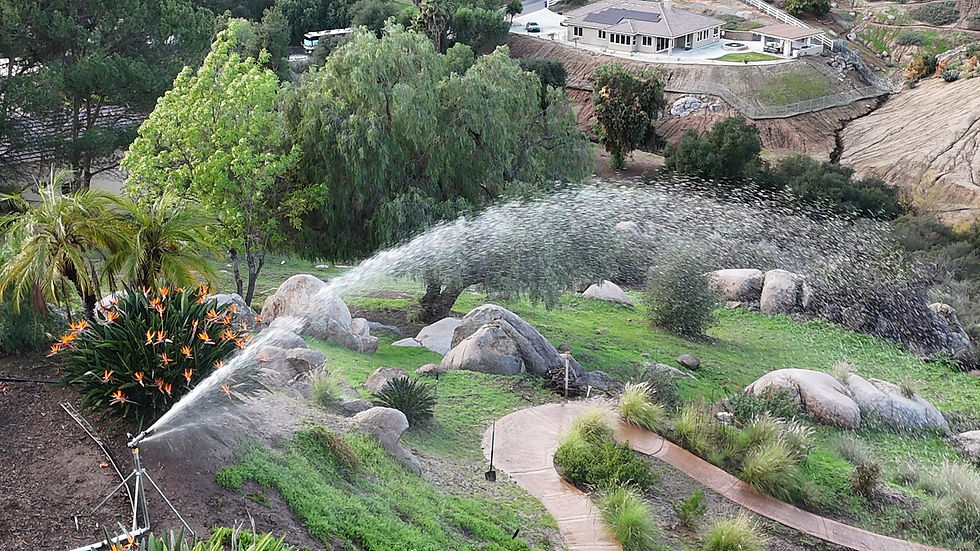
How Sprinklers Help Protect Homes from Wildfires
Sprinklers reduce wildfire risk by wetting the area around your home. Moisture acts as a barrier to fire, making it harder for flames to ignite plants, debris, or building materials. Here are the main ways sprinklers defend your property:
Lowering fuel flammability: Dry leaves, grass, and shrubs catch fire easily. Sprinklers keep these fuels damp, reducing their chance of ignition.
Cooling surfaces: Sprinklers spray water on roofs, siding, and decks, lowering their temperature and preventing embers from starting fires.
Creating a moist perimeter: A wet zone around your home slows the fire’s advance, giving firefighters more time to respond.
Suppressing embers: Burning embers can travel far and ignite spot fires. Sprinklers help extinguish embers before they cause damage.
Using sprinklers is not a standalone solution but part of a broader wildfire defense strategy that includes clearing vegetation, using fire-resistant building materials, and having an evacuation plan.
Types of Sprinkler Systems for Wildfire Protection
Several sprinkler systems can be adapted to protect homes from wildfires. Choosing the right one depends on your property size, water availability, and budget.
1. Overhead Sprinklers
These are the most common sprinklers, mounted on risers or poles around the home. They spray water in a wide pattern, covering lawns, gardens, and the perimeter.
Advantages: Easy to install, covers large areas, can be automated. Choose only brass impulse head versions that can be adjusted for distance and arc.
Considerations: May waste water if not properly aimed; wind can affect spray direction.
2. Drip Irrigation Systems
Drip systems deliver water directly to the base of plants through tubes and emitters. They keep soil moist without spraying water into the air.
Advantages: Water-efficient, reduces evaporation
Considerations: Ineffective for drenching dry landscape surfaces and should not be used.
3. Roof and Gutter Sprinklers
Specialized sprinklers can be installed to wet roofs and gutters, which are vulnerable to ember ignition.
Advantages: Protects critical parts of the home, reduces ember fire risk.
Considerations: Requires careful design to avoid water damage to the home. Placement only at the eaves could limit effectiveness under overhangs due to wind.
4. Portable Sprinklers and Hose Systems
In some cases, homeowners use portable sprinklers connected to garden hoses to wet areas during high fire risk.
Advantages: Flexible, low cost and very effective.
Considerations: Requires manual setup and monitoring. The best choice once you have moved them around to provide double coverage and full exterior wetting.
Installing Sprinklers for Wildfire Defense
Proper installation is key to making sprinklers effective against wildfires. Here are some tips:
Plan coverage carefully: Ensure sprinklers cover all vulnerable areas, including roofs, decks, fences, and vegetation near the home. Measure the normal flow and place sprinklers half the distance to ensure double coverage.
Secure sprinklers: In a high wind, sprinklers may blow over, so its wise to place weights on the tripods or secure them to a structure.
Consider water supply: Don't rely on municipal or well water, which can fail when the power goes out. Having a minimum of 5,000 gallons or more will protect your home for 2-1/2 hours running 6 sprinkler heads.
Protect sprinkler components: Use fire-resistant materials for pipes and risers to prevent damage during a wildfire.
Coordinate with landscaping: Combine sprinklers with fire-resistant plants and cleared zones to maximize protection.
Maintenance and Testing
Regular maintenance ensures your sprinkler system works when needed:
Test systems before fire season: Run sprinklers to check coverage and fix leaks or clogs.
Clean nozzles and filters: Remove debris that can block water flow.
Inspect pipes and connections: Look for cracks or damage.
Adjust spray patterns: Ensure water reaches all critical areas.
Draw a placement map: Label sprinkler locations on a map and use fixed hose lengths (such as 25-footers) to maintain the maximum distance.
Practical Examples of Sprinkler Use in Wildfire Areas
Several communities in wildfire-prone regions have adopted sprinkler systems as part of their defense plans:
In California, some homeowners install roof sprinklers that activate automatically when smoke or heat is detected.
Australian bushfire-prone areas use garden sprinklers combined with cleared defensible space to protect homes.
Rural properties often have large perimeter sprinklers connected to water tanks, allowing them to wet the entire property during fire alerts.
Rotate wetting zones so you can conserve water should you decide to stay.
These examples show sprinklers can be tailored to different environments and needs.
Safety Considerations
While sprinklers help reduce wildfire risk, keep these safety points in mind:
Do not rely solely on sprinklers: Combine with other fire prevention measures.
Avoid water damage: Ensure sprinklers do not cause flooding or structural harm.
Prepare for power outages: Have backup power or manual controls for sprinkler systems.
Follow local regulations: Some areas have restrictions on water use during droughts.
Have an evacuation plan: Sprinklers may be useful to protect things, but nothing is more important than your life. When ordered, evacuate when and if it is safe and trust that you've done everything you could to save your home.
Final Thoughts on Using Sprinklers for Wildfire Protection
Whatever the system, consider the source. The water source, that is! During the last several catastrophic wildfires, municipal systems simply ran dry. Your swimming pool can provide the critical emergency water source needed to help save your home, if you have the right equipment. Emergency pumps running on LP fuel are your best bet to provide a greater evacuation window for you and your family.


Comments