
Conducting Effective Community Fire Safety Audits for Robust Home Defense
When wildfires threaten our homes, feeling prepared and protected is more important than ever. One of the best ways to boost your home's defense against fire is by conducting a thorough fire safety evaluation. This process helps identify potential risks and gives you a clear plan to reduce hazards around your property. Let’s dive into how you can carry out an effective community fire safety audit that makes a real difference.

Why a Fire Safety Evaluation Matters for Your Home
Wildfires can spread quickly, and the safety of your home depends on how well you prepare. A fire safety evaluation is a detailed check-up of your property and surroundings to spot vulnerabilities that could fuel a fire or block escape routes. It’s not just about your house but also the community around you. When neighbors work together, the whole area becomes safer.
During an evaluation, you’ll look at things like:
Vegetation and landscaping near your home
Building materials and structural features
Access points for emergency vehicles
Availability and condition of fire extinguishers and hoses
By addressing these factors, you reduce the chance of fire damage and increase your family’s safety.
How to Conduct a Fire Safety Evaluation Step-by-Step
Starting a fire safety evaluation might seem overwhelming, but breaking it down into clear steps makes it manageable. Here’s a simple guide to get you going:
1. Assess Your Home’s Exterior
Walk around your property and check for anything that could catch fire easily. Look for dry leaves, dead branches, or flammable materials close to your house. Trim back trees and bushes so they’re at least 30 feet away from your home. Replace or repair any damaged roofing or siding that could allow embers inside.
2. Inspect Your Landscaping
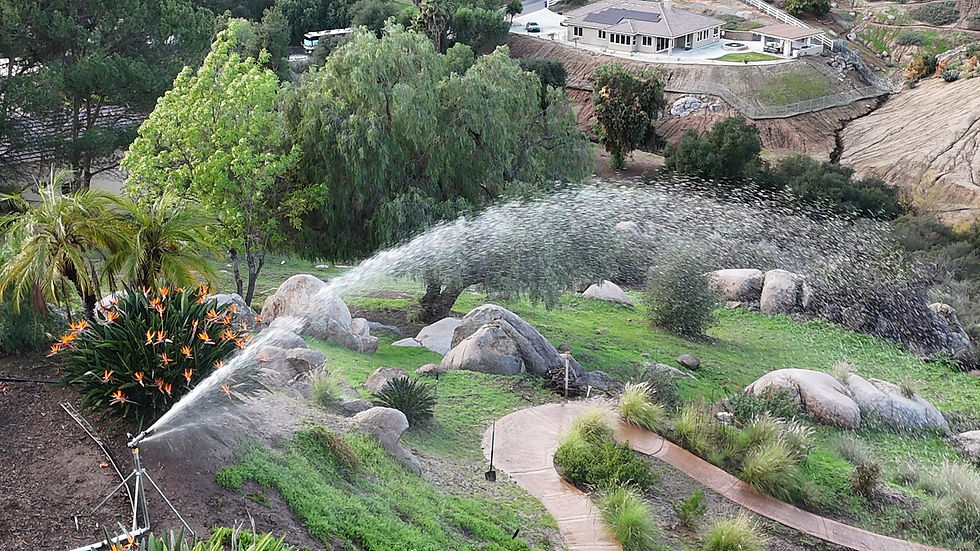
Choose fire-resistant plants and keep your lawn well-watered and mowed. Remove any combustible mulch or replace it with gravel or stone. Create defensible space zones around your home:
Zone 1: 0-5 feet from your house, keep this area free of anything flammable.
Zone 2: 5-30 feet, maintain low-growing plants and remove dead vegetation.
Zone 3: 30-100 feet, thin out trees and shrubs to prevent fire from spreading.
3. Check Access and Escape Routes
Make sure your driveway and roads are clear and wide enough for fire trucks. Have at least two escape routes planned for your family. Keep gates unlocked or provide emergency responders with access codes if needed.
4. Review Fire Safety Equipment
Test smoke alarms and replace batteries regularly. Have fire extinguishers on hand and know how to use them. Consider installing outdoor water sources like hoses or sprinklers that can help control small fires.
5. Engage Your Neighbors
Share your findings and encourage neighbors to do their own evaluations. A community-wide effort creates a stronger defense against wildfires.

What is the FireRisk(TM) safety audit?
Understanding the FireRisk safety audit standard helps ensure your evaluation meets recognized guidelines. These standards provide a checklist of best practices for assessing fire risks and implementing safety measures. They cover everything from building materials and landscaping to emergency planning and equipment maintenance.
Following these standards means your audit is thorough and effective. It also helps when working with local fire departments or insurance companies, as they often require compliance with these benchmarks.
Some key points in the standard include:
Maintaining defensible space around structures
Using fire-resistant building materials
Ensuring clear access for emergency vehicles
Having a documented emergency response plan
Deploying active fire suppression equipment in a wildfire

By aligning your evaluation with these standards, you’re taking a big step toward protecting your home and community.
Practical Tips to Improve Your Home’s Fire Safety After the Evaluation
Once you’ve completed your fire safety evaluation, it’s time to act on what you’ve learned. Here are some practical steps you can take right away:
Clear gutters and roofs of leaves and debris regularly.
Install ember-resistant vents to prevent sparks from entering your attic.
Use fire-resistant fencing materials like metal or masonry.
Store firewood and propane tanks at least 30 feet away from your home.
Create a family evacuation plan and practice it often.
Keep emergency supplies like water, masks, and first aid kits accessible.
Remember, small changes can make a big difference in how your home withstands wildfire threats.
Building a Safer Community Together
Fire safety is not just an individual effort—it’s a community mission. When neighbors collaborate on fire safety evaluations and share resources, everyone benefits. Organize neighborhood meetings to discuss fire risks and prevention strategies. Volunteer to help those who may need assistance with their evaluations or home improvements. Start by joining the Community Fire Response Organization, a non-profit set up specifically to encourage survival during a wildfire. They can be found at www.communityfireresponse.org
By working together, you create a network of support that can respond quickly and effectively when wildfire danger arises. Plus, a united community often attracts more attention and resources from local authorities.
Taking the time to conduct a fire safety evaluation is a powerful way to protect your home and loved ones. With clear steps, practical tips, and community cooperation, you can face wildfire season with confidence. Let’s keep our homes safe and our neighborhoods strong!


Comments